Testing

CNS offers a wide range of specialty field-testing services with readily available and calibrated equipment used by trained personnel. We can perform testing in all types of configurations and are credited with our rapid mobilization and timely performance.

CNS Inspection Services provides the highest quality anchor load testing!

Load Testing

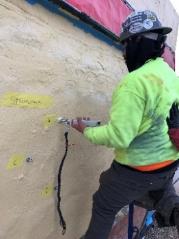
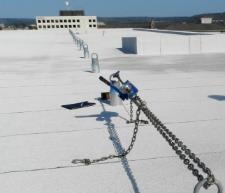
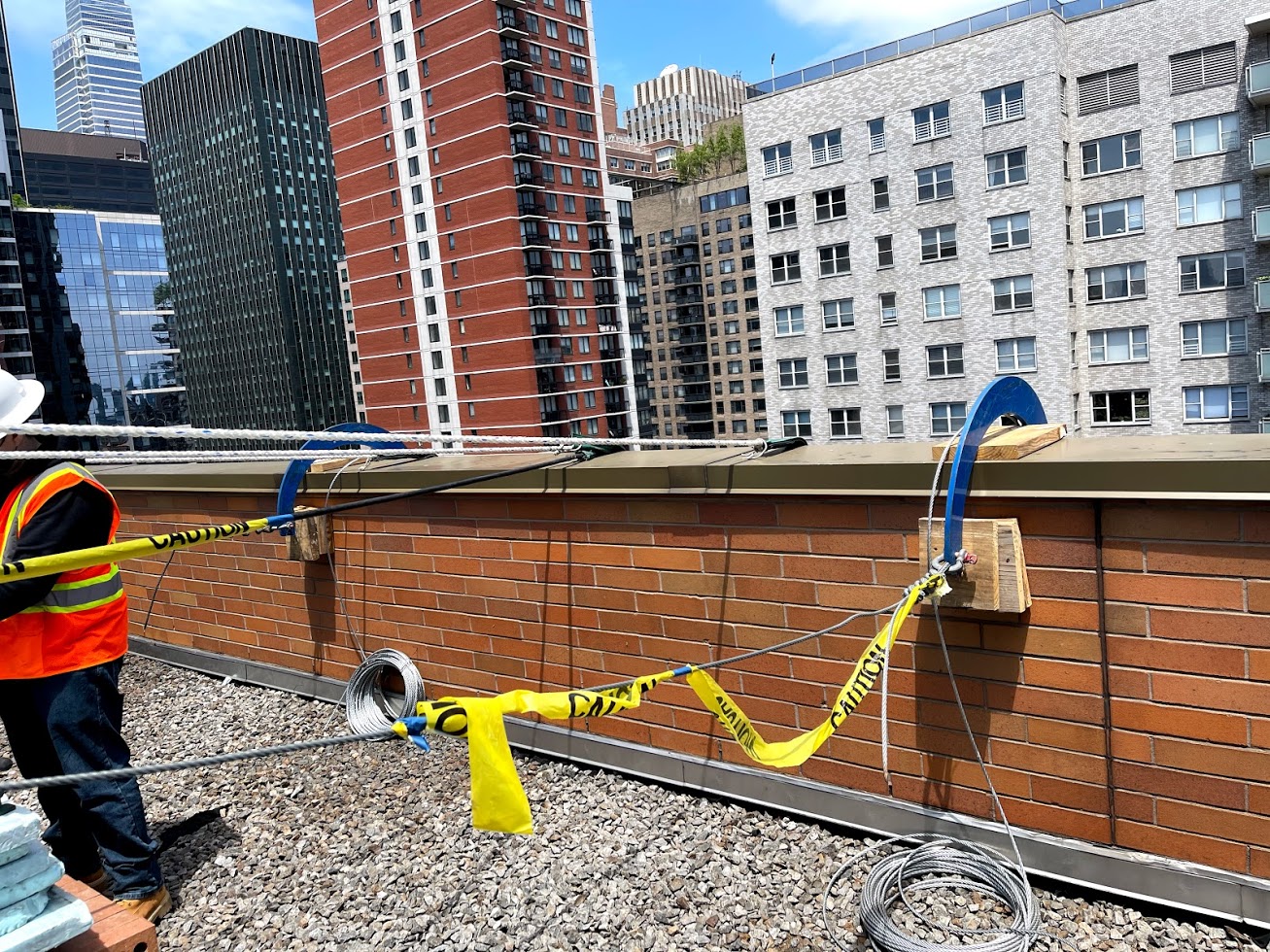
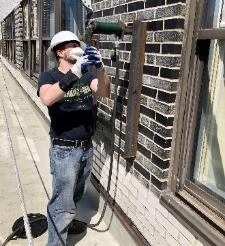
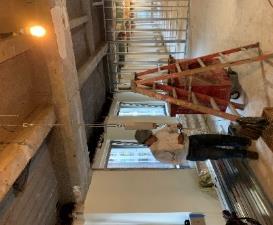
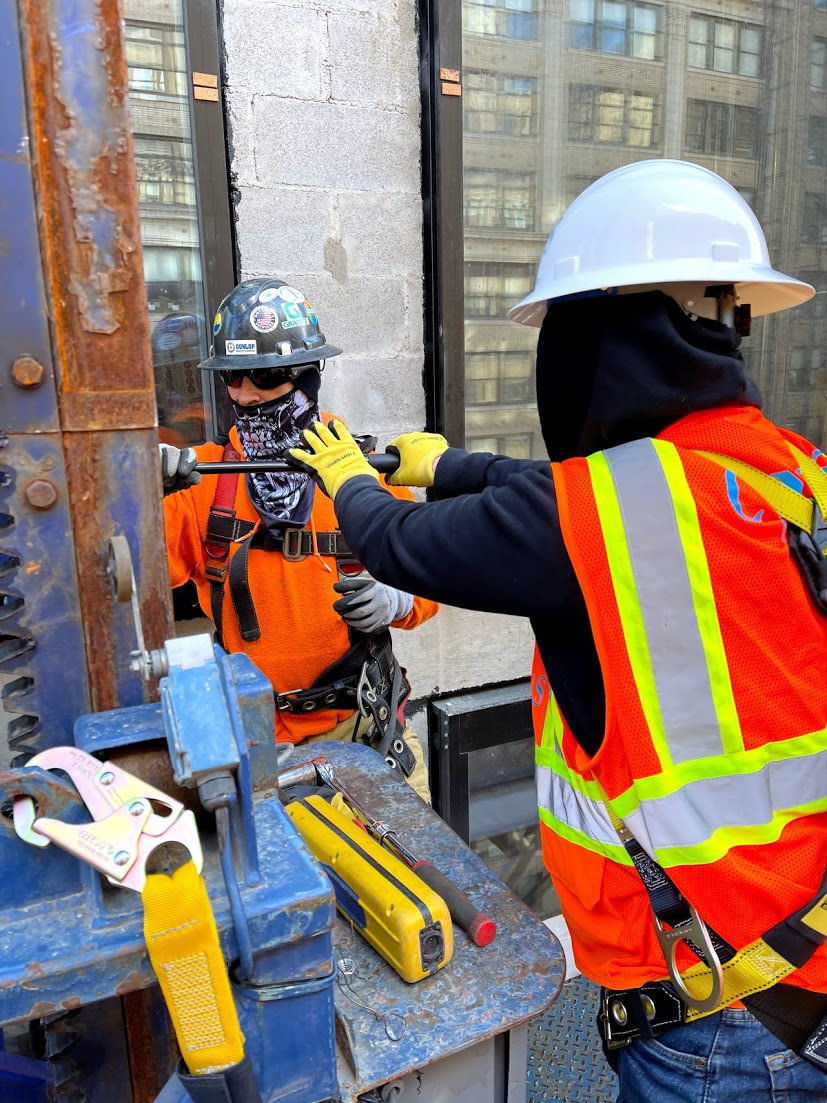
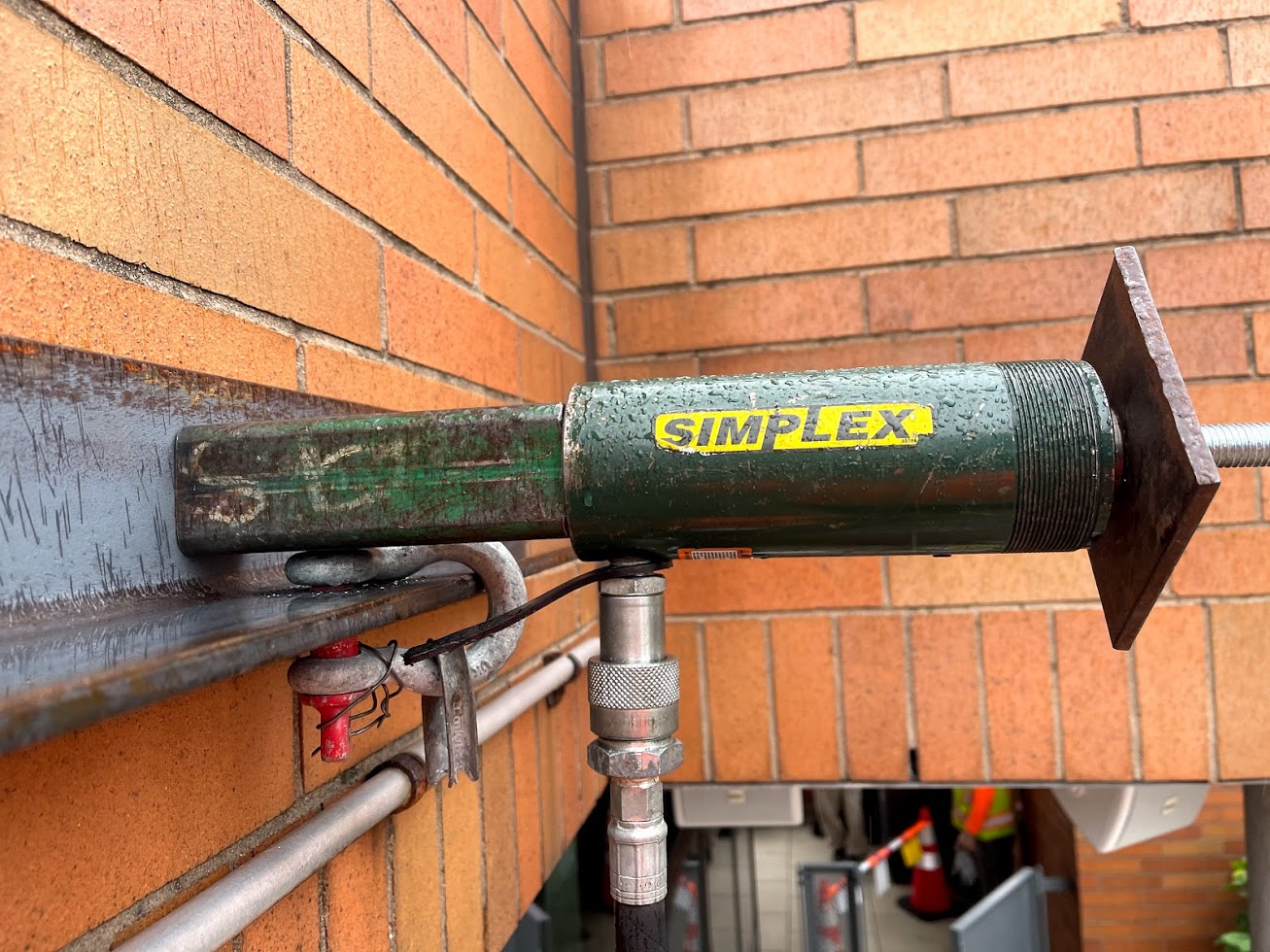
Load testing is vital for verifying the safety and performance of both permanent structural systems and temporary life-safety setups. Anchor load testing remains the most reliable way to prove that anchors and embedments perform as designed under real-world conditions. CNS tests every type of anchor—post-installed anchors, dowels, threaded-rod hangers, reinforcing steel, fall-protection points, and window-washing anchors—using our specialized pull-testing equipment. We also assess slabs, shear walls, columns, railings, balconies, and fire escapes, advising project teams on whether their systems can reliably withstand the specified loads.
Load testing can also be done on older systems to check compliance with current fall protection regulations, or on newer systems to provide proper building turnover documentation.  The main purpose for this test is to measure the performance of the anchor installation and verify that it will resist the pull-out forces
Several parameters such as the capacity of the loading apparatus, the loading rate, the bearing ring size, and anchor embedment depth should be taken into account when setting up the test. Ideally, unless the purpose of the test is determining the maximum pull-out force, the anchor bolt should not fail or show any movement at the specified load.

Load Testing Standards & Services

We have experience with different methodologies including ASTM E488, ASTM D4435, ASTM C900, and ASTM E754. 

Load Testing includes:
  • Anchor Tension Testing
  • Anchor Shear Testing
  • Combined Tension and Shear Testing
  • Adhesion Testing
  • Roof Anchor Point Testing per OSHA
  • Lifeline Safety Testing

Ground Penetrating Radar (GPR)

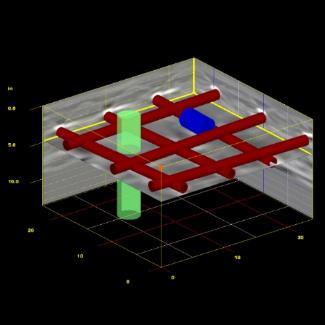
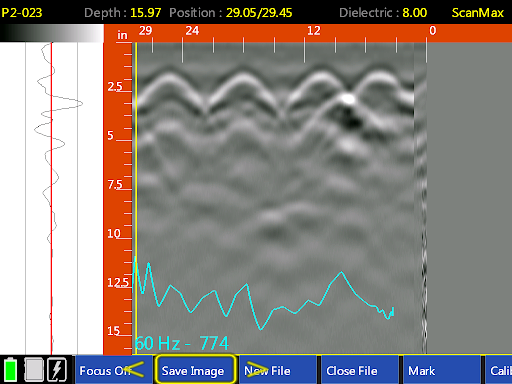
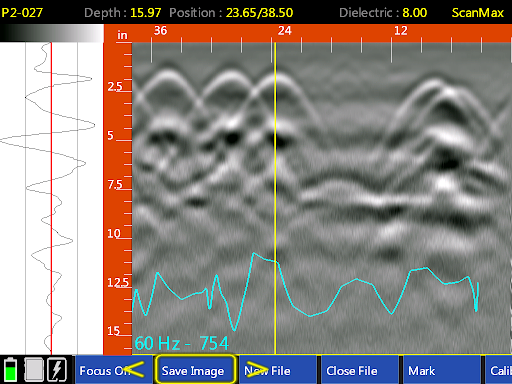
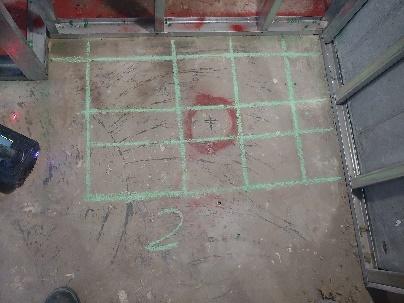
CNS Inspection Services provides the highest quality concrete imaging on the market.  Using technologically advanced equipment and software, CNS provides first-in-class data visualization with state-of-the art GPR.  
Our firm’s focus is on High Definition (HD-GPR) scanning of localized elements such as slabs, columns, foundations, masonry walls, etc.  
CNS scanning personnel are manufacturer trained and have undergone intense training and certification in a variety of specific areas to achieve various inspection certifications from the American Concrete Institute. We have been providing GPR services throughout the Greater New York area to meet the needs of all parties.
Applications of our GPR technology for a structural element include:

Precision Subsurface Scanning

Engineers, concrete labs, and contractors—say goodbye to guesswork and hello to precision with CNS Inspection Services! Our advanced GPR surveys deliver forensic insights, pinpoint test-sampling spots, and identify safe cutting zones that steer clear of rebar, post-tension cables, and hidden electrical lines. From cutting-edge structural builds to historic restorations, we’ve scanned projects of every type to give you the subsurface data you need—fast and reliably.

Non-Destructive Testing

Non-Destructive Testing (NDT) of Steel consists of Ultrasonic, Magnetic, Radiographic, Liquid Dye Penetrant, and more NDT for welding.  

Ultrasonic Testing 

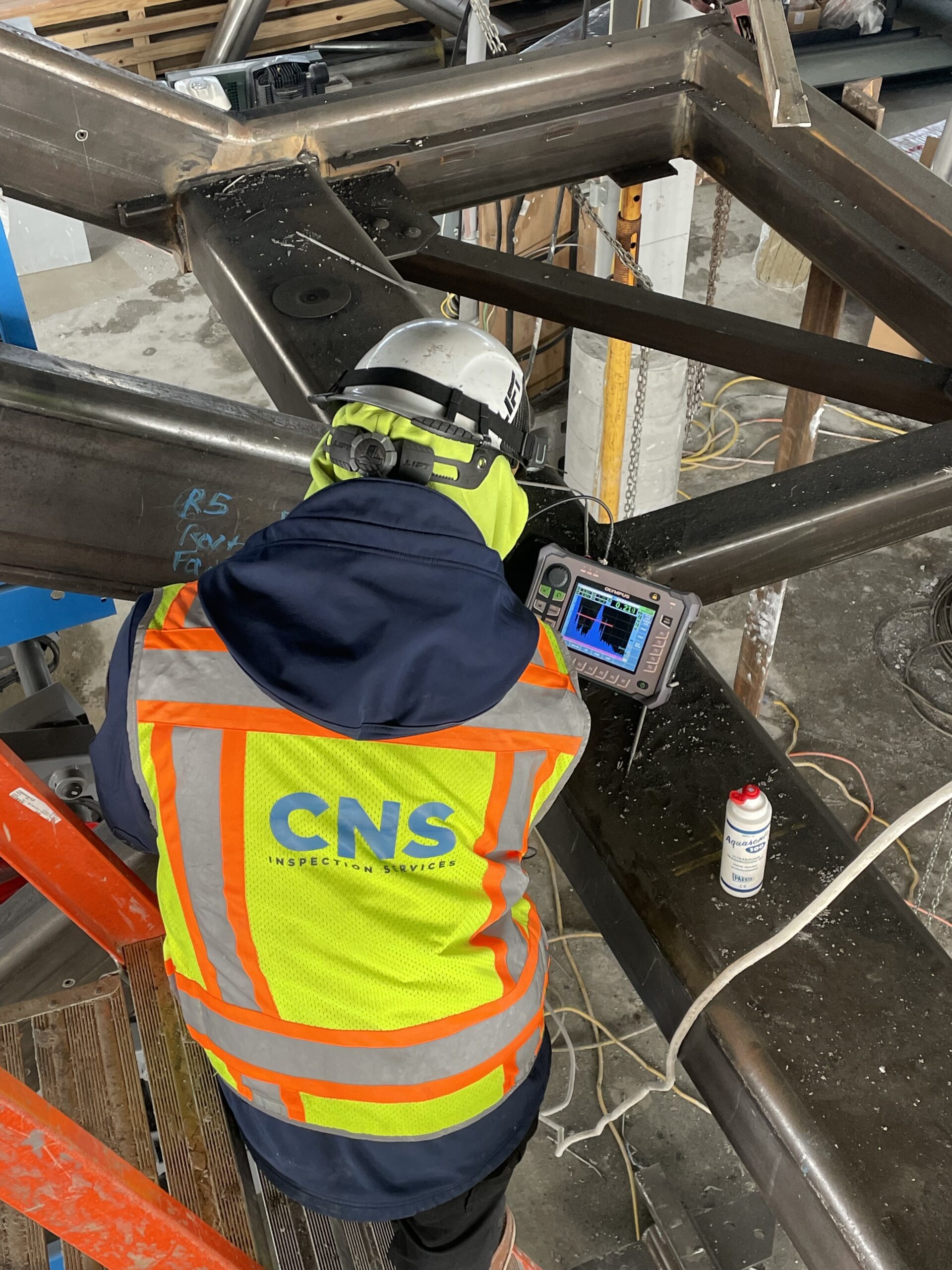
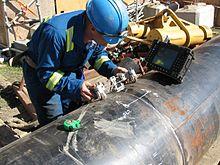
Ultrasonic testing (UT) is used to detect flaws, take dimensional measurements, and to do material characterization. UT is recognized for its high depth of penetration to detect subsurface flaws. Our sophisticated ultrasonic testing equipment is highly accurate in determining flaw position and estimating size and shape.
In most cases it is only necessary to have one-side access and our technicians have the ability to evaluate with immediate results. CNS uses ultrasonic testing techniques that can detect common and uncommon discontinuities caused by base material processes and fabrication. We are experts in detecting flaws found in ingots, continuous castings, billets, plate and sheets, bar and rod, pipe and tubular products, forgings, castings, composites, and welds. Our certified staff of NDT technicians provide quality inspection services.

Magnetic Particle Testing

Magnetic Particle Testing (MT) is used for detecting surface and near-surface discontinuities. Our technicians are able to detect flaws in ferromagnetic materials by inducing a magnetic field directly or indirectly into a component. The main methods used are dry particle and wet suspension while applying continuous and residual magnetization. Magnetic particle inspection is one of the most cost-effective inspection methods used and, furthermore, offers a short turnaround time.

Radiography Testing 

In Radiography Testing (RT) the test-part is placed between the radiation source and film (or detector). The material density and thickness differences of the test-part will attenuate (i.e., reduce) the penetrating radiation through interaction processes involving scattering and/or absorption. The differences in absorption are then recorded on film(s) or through an electronic means. CNS utilizes RT for specialized welding examination for items such as process and steam piping. 

Liquid Dye Penetrant

Liquid Dye Penetrant (PT) is commonly used to inspect the surfaces of non-porous assets made out of ceramics, plastics, and metals. CNS Inspectors will look at welds, castings, forgings, plates, bars, and pipes. In these materials, dye penetrant is used to look for defects such as leaks, joint flaws, fractures, porosity on the surface of the materials, cracks, and incomplete fusion.

Contact Us Today

CNS is a firm comprised of talented, knowledgeable, and experienced Engineers, Inspectors, and Managers who are all dedicated to providing top-quality services to our clients. 

Our team is available and located throughout New York City and stands ready to commence any assignment we receive under the subject contract.

Our experience includes work on unique structural building systems in new construction and existing buildings while working with all types of projects and owners.  We have completed jobs with construction costs as little as $10,000 to over $1,000,000,000.

We understand the unique challenges of working on both small and large projects and the issues that can arise from both.